 Don't Care
IN DEPTH · SAVONA
For common back pain, public health guidance points the same way: stay active. It often gets better on its own within a few weeks, and the UK’s NHS advises continuing your daily activities as far as you can. What we can do is look at how you move and build training that makes you feel more confident doing it.
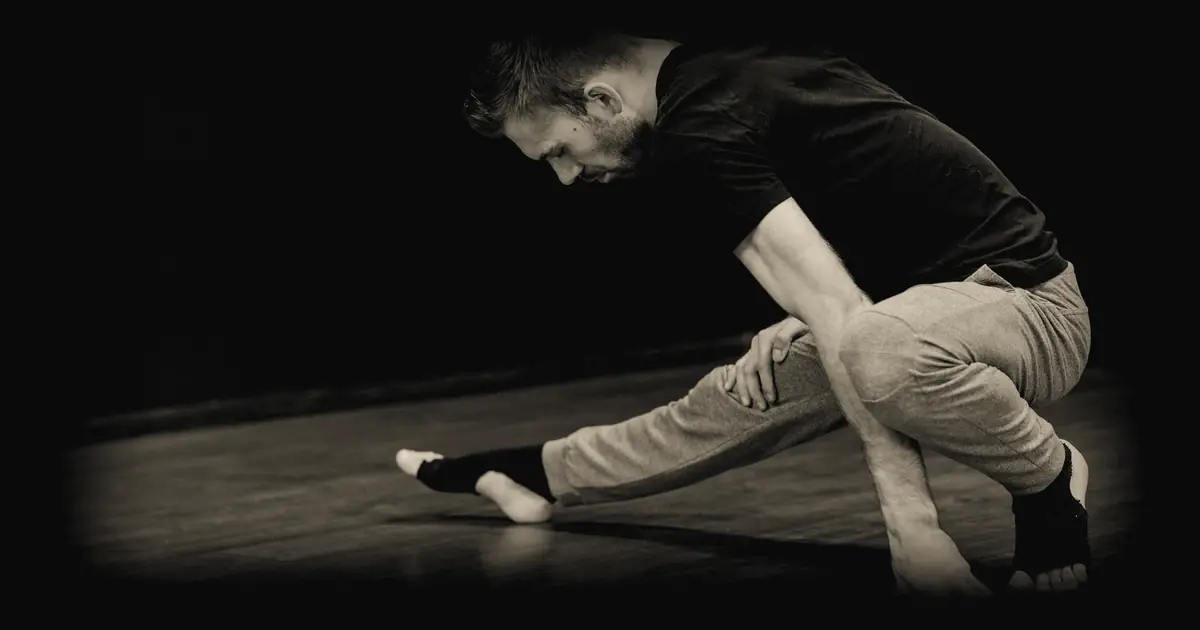
Back pain is very common. According to the World Health Organization, low back pain is the leading cause of disability worldwide, and in about nine cases out of ten no specific disease or structural cause can be identified to explain it. This is called “non-specific” low back pain.
The interventions WHO lists include those that improve strength and the ability to move and help people resume physical activity, together with psychological and social support; for everyday self-management, staying active, keeping a healthy weight and sleeping well. The NHS suggests exercises and stretches, walking, swimming, yoga or pilates.
There is no magic exercise and no single “right” posture that prevents it on its own. What matters more is moving regularly, in different ways, with a load that grows one step at a time.
The adults path is for people living with stiffness, neck and shoulder tension or back pain that comes and goes. If you train and the discomfort returns with sport, the athletes path also looks at the sports movement and load management.
We do not diagnose or treat pain: we work on movement. The NHS distinguishes three levels. See a doctor if the pain does not improve after a few weeks, stops your everyday activities, does not improve with rest or gets worse at night, or comes with unexplained weight loss. Ask for an urgent appointment if you feel hot, cold, shivery or generally unwell, or if the pain is severe and sudden or gets worse quickly. Go to the emergency department straight away if any of these signs appears:
Usually not. WHO and NHS guidance points the other way: stay active and continue your everyday activities as far as you can. A period of lighter activity can help, but the general advice is not to stop altogether. If you have doubts about your own case, your doctor is the first point of reference.
We do personalised training that starts from how you move, not from the same programme for everyone. We work on mobility, strength, control and breathing, with a load that grows one step at a time. It is not pain therapy: it is a way to get back to moving with more confidence.
Yes. In that case their advice comes first, and the work on movement can sit alongside it. Feel free to bring what they told you: it helps us choose where to start.
We cannot promise timescales or results. We can tell you how we work: explicit goals, reference points observed at the start and again over time, so we can see together what is changing and decide the next steps.
The general information on this page comes from public health bodies and scientific literature, listed below. It does not replace your doctor’s advice.