 Don't Care
IN DEPTH · SAVONA
In most children flat feet are a normal stage of growth: the arch usually develops between ages 3 and 10. If they do not cause pain and do not limit play, they generally do not need treatment. We can, however, train foot strength, balance and coordination, so the child moves with more confidence.
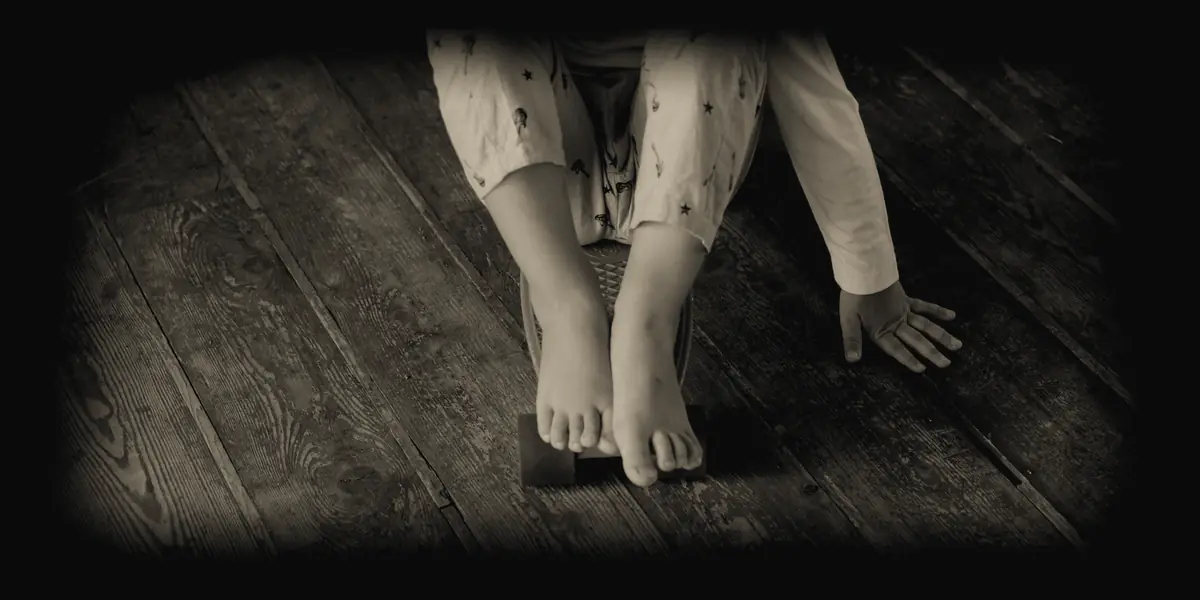
The UK’s NHS explains that most children have flat feet when they are young, and that the arch on the inner side of the foot usually develops between ages 3 and 10. If they are not causing problems, there is nothing you need to do.
The American Academy of Orthopaedic Surgeons describes “flexible flatfoot”: the arch disappears when the child stands and reappears when sitting or on tiptoe. It is a common condition, usually painless, that does not stop children walking or playing sport, and most children outgrow it.
Insoles and special shoes can help when there is pain or tiredness, but according to the same sources they do not change the shape of the foot or how the arch develops. Any decision about an insole is for the doctor.
The children and teenagers path works on foot strike, balance, posture and coordination during growth. For adults whose feet tire quickly, there is the adults path.
We do not diagnose and we do not correct the shape of the foot. Health sources advise seeing the paediatrician or doctor when:
There is no single age for everyone: the arch usually develops between 3 and 10, and some people never develop one without any problems. What matters is whether there is pain, stiffness or difficulty moving. In those cases the paediatrician is the reference.
According to the NHS and the American Academy of Orthopaedic Surgeons, insoles and special shoes can help with pain or tiredness, but they do not change the shape of the foot. If a doctor has prescribed one, our work sits alongside it and follows their indications.
Mostly games: balance, jumps and landings, basic patterns such as walking and running, and exercises for foot strength. The goal is a strong, attentive foot and a child who moves with confidence, not an arch “to be corrected”.
We look at how the foot lands and how ankles and knees line up while the child walks and runs, and we train control and balance. If the issue is new, affects only one side or causes pain, the first step is the paediatrician.
The general information on this page comes from public health bodies and scientific literature, listed below. It does not replace your doctor’s advice.